A Sufi story
The ruler of a certain city one day decided that he would like an arch built, so that he could ride under it with all pomp, for the public to see. But when the great moment came, his crown was knocked off while he was passing the arch.
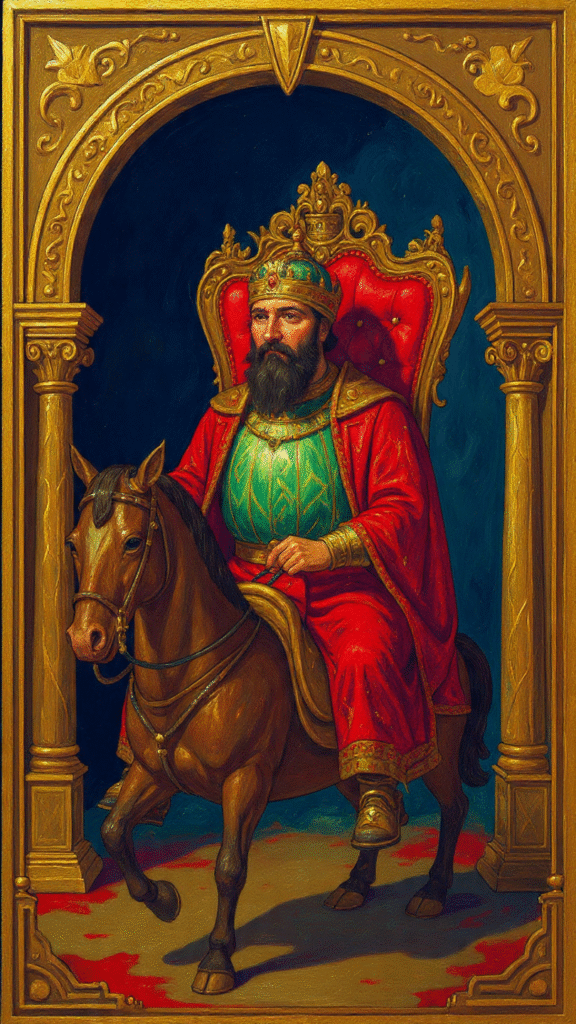
It was found that the arch was built too low.
The king was furious and ordered the Chief of the builders to be hanged. Gallows were prepared for the hanging. But when the Chief of the builders was being taken to the gallows, he called out that it was all the fault of the workmen, who had done the actual construction job.
The king now called the workers but they escaped the charge by saying that the masons had made the bricks of wrong size. The masons said that they were merely following the instructions of the architect. The architect, when brought to the court, said that the king himself had made the changes at the last moment.
So the king said, “Summon the wisest man in the country as this is not a simple problem. We need counsel.”
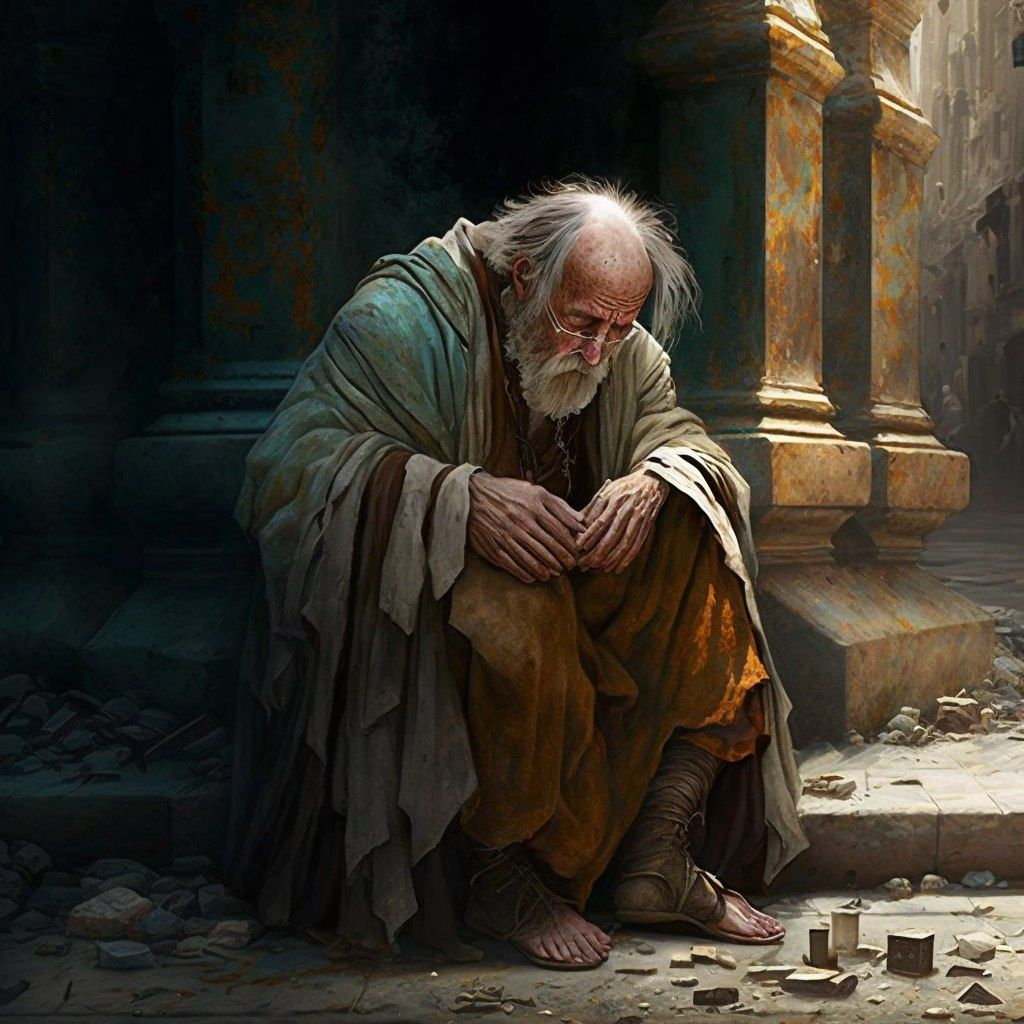
The wisest man in the country was very old and weak and had to be carried to the court. Somehow he managed to say, “The actual culprit in this case is evidently the arch itself.”
So preparation was made again and a stronger gallow was prepared and the offending arch was carried to the scaffold. But when the executioner tried to put the arch into the noose, he found the noose was too short.
The old wise man was carried to the court again for counsel. But exhausted by these exertions, the wise man breathed his last.
So the king said, “Forget the wise man. Get the rope-maker.”
The ropemaker came and explained that the scaffold was too high and hence the carpenters were at fault.
“The crowd is getting impatient,” said the king, “and we must therefore quickly find someone to hang. We can postpone the consideration of finer points like guilt until a later, more convenient, occasion. In the current situation, it would be best to find the tallest man in the city as he would definitely fit the gallows.”
In a surprisingly short time all people were measured and the tallest man was found. He was the king himself.
Such was the popular enthusiasm at the discovery of a man who would fit, that the king had to conform, and he was hanged.
The Prime Minister said, “Now that the mob is satisfied, we can focus on important matters.” And he immediately realized that the throne needs to get a king. So it was the custom in the city that the first man who passes the city gate after sunrise would decide the next king.
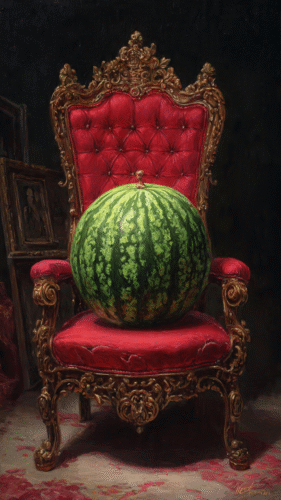
So all the ministers waited with bated breath at dawn just outside the city gate. They caught hold of the first man who passed by the gate. He seemed like an idiot. He was quite unlike the ordinary sensible people most are familiar with. When he was asked who should be king, he answered: “A melon”. This was because he always said “a melon” in reply to whatever people asked him about. In fact, he thought of only melons all the time.
And thus it came about that a melon was, with due ceremony, crowned as the king of the city.
This is a Sufi story. Although at a surface level it seems like a humorous tale of an erratic king, at a deeper level this story contains multiple philosophical and spiritual connotations.
The city in the story is nothing but the human mind. The foolish and whimsical king is our ego which can not only make us take foolish decisions when we let it rule over our mind, but even turn us into senseless, obsessing seekers of falsehood.
Ego can drive us insane by making us imagine non-existing enemies and adversaries. It brings fear and ignorance. Our mind becomes restless and chaotic. The ego ignorantly attracts the very same thing it is afraid of.
Only when the ego is killed, the melon comes.
Melon represents real knowledge that comes once the mind is still and silent, once the ego ceases to be the king of the mind. (In Islam, watermelons are symbols of abundance and happiness. Indeed apart from its health benefits, a melon can both quench thirst and satiate hunger. Its big size and multiple seeds remind us of the endless blessings of life and urges us to be ever grateful to our Creator.)
And the idiot symbolizes the unfamiliar, uncharted path through which real wisdom often arrives within us. It is not a path of intellectual excellence, rather it is a path of total surrender. In such a path one is constantly in touch with an inner sense of gratitude, always thinking about the abundance of melons. On such a path, the mind itself becomes like a melon city.