
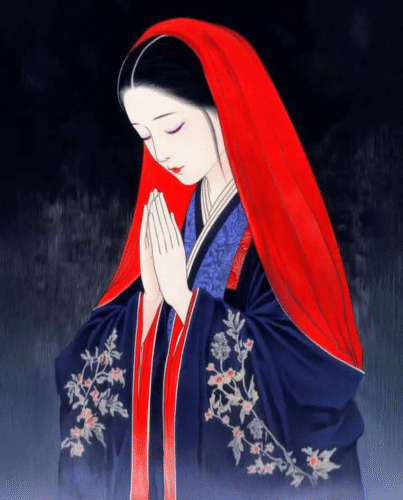
A JAPANESE FOLK-TALE
Once upon a time there lived a poor woman in a village.
One day as she was praying at the shrine of Lord Buddha a lovely green scarf fluttered down and fell before her. She felt as if she had received Buddha’s blessings. She thanked the Lord and picked up the scarf.

She wrapped it around her head and to her utter surprise she found that now she could understand what the trees, birds, animals, and plants were saying to each other.
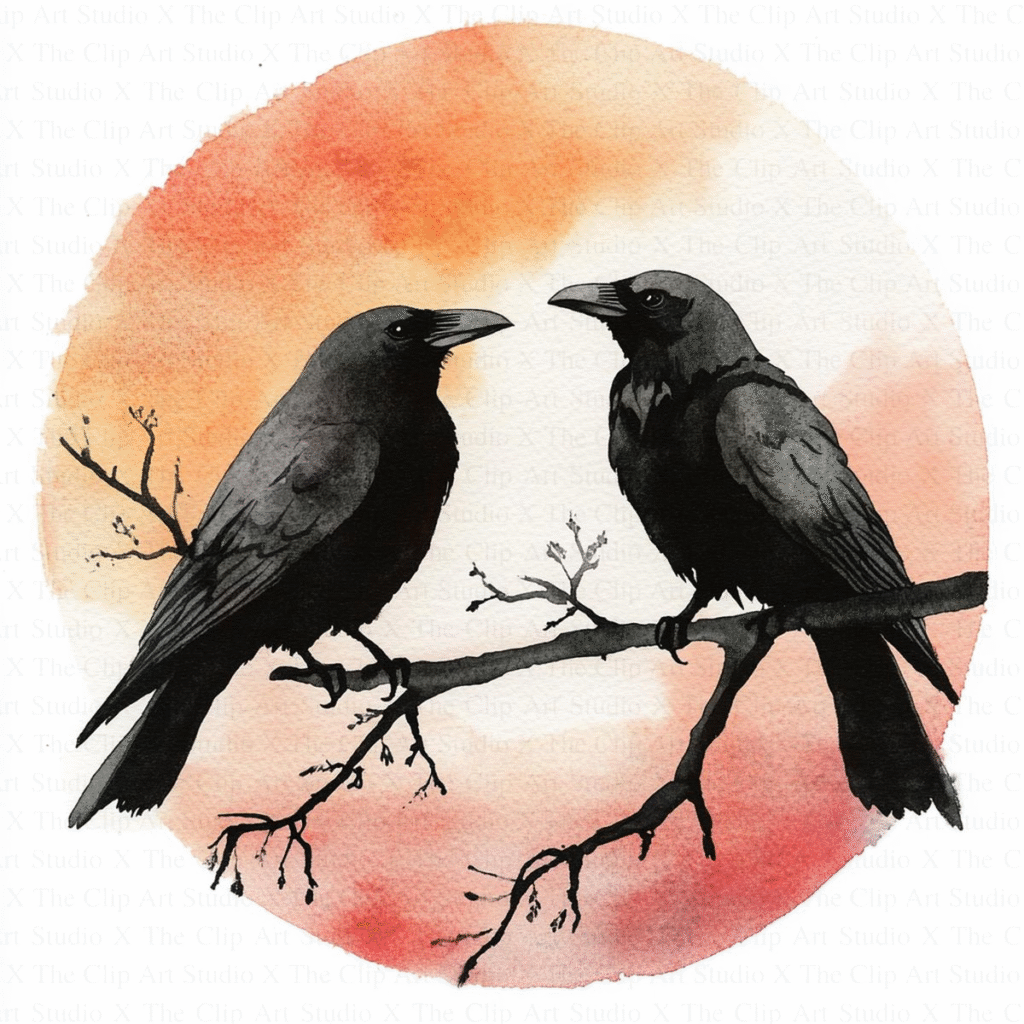
“This is a magic scarf,” she cried, amazed. Just then two black crows flew to a branch nearby and began talking to each other.
“Last night, I heard the cherry tree crying again, and I could not sleep. Do you know why it is crying and sobbing all the time?” said one crow.
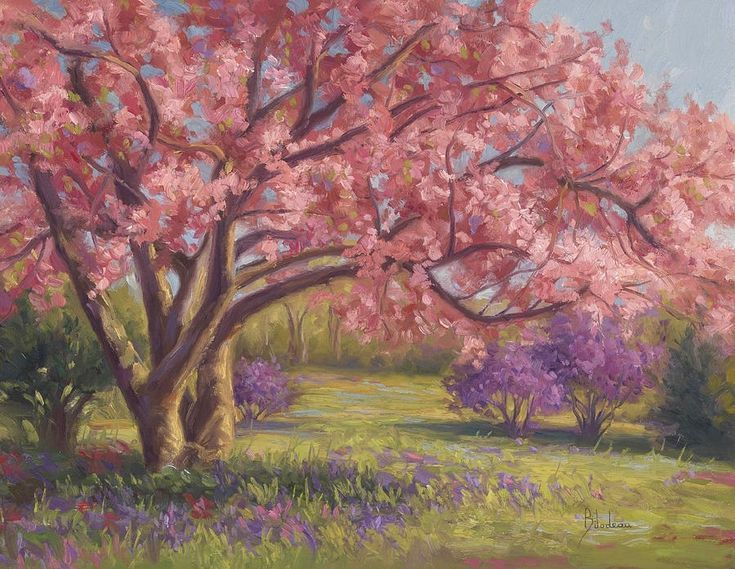
The other crow added, “Yes, I know everything. I really feel sorry for that beautiful tree. You see, the mayor of this village had that old tree cut down, as he wanted to build a tea house in his backyard. But the roots of the tree were not dug up. So now the tree is neither dead nor alive. That is why it is crying so much in pain.”
“So the roots are still under the tea house?” asked the first crow.
The second crow replied, “Yes, and that is why the mayor is so ill. A black spell has been put on him by the cherry tree. When the tree dies, so will the mayor.”
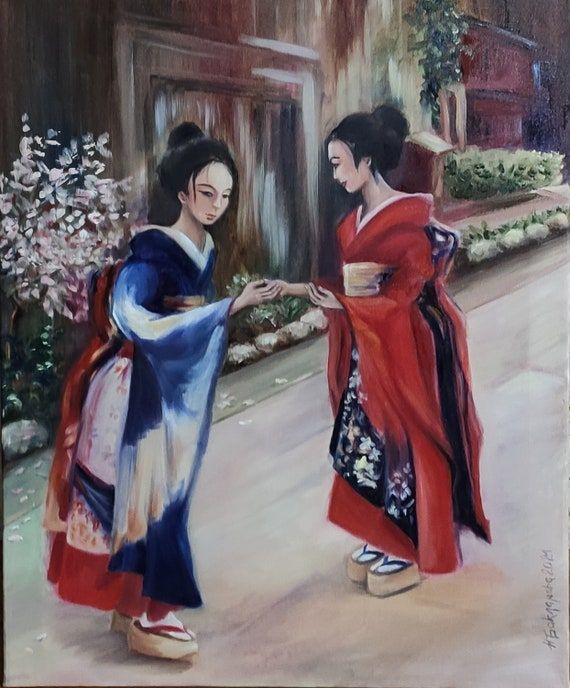
Hearing this the woman was very distressed. When she went home she dressed herself like a Buddhist nun, and still wearing the green scarf, went up to the mayor’s grand villa.
The door was opened by a worried looking mayor’s wife.
“I hear that your husband is ill. So I have come to inquire about him, as I am a doctor too,” said the woman.
“I have tried so many medicines, but my husband does not seem to get better. In fact he is getting worse day by day,” whispered the mayor’s wife tearfully.
“When was the tea house built in the backyard?” asked the woman.
“About six months back,” replied the mayor’s wife, a little bit surprised by this question.
The woman asked again, “And when did your husband get sick?”
The wife replied again, “Well, about the same time. Coincidentally about six months ago he fell ill too.”
The woman then smiled and said, “I have travelled a long way. I feel tired. I want to rest a while and get myself charged up before I meet your husband. So could you please arrange for a cup of tea in your tea-house for me?”
The wife took her to the tea-house and made her sit down and then went to make arrangements for tea.

Sitting in the tea house, the woman soon started hearing moans and sobs coming from below the floor.
A yellow butterfly came flying into the room and said to the cherry tree: “Oh you poor cherry tree you seem to be in a lot of pain.”
And in came the voice of the cherry tree…it said: “Yes… it is worse every day. I am going to die soon, and so will the mayor.”
“Please don’t die,” said the butterfly.
“Please don’t die,” whispered the flowers.
Without waiting anymore, the woman went to the mayor’s bedside, and cried, “If you want to be well again, demolish the tea house, and tend to the roots of the cherry tree you cut down, which got left behind. Care for it well, and help it get strong again.”
The mayor ordered his servants to demolish the tea house at once, and began to care for the dying cherry tree himself. Soon it revived, and began to sprout young green shoots.
“I’m better. I will live,” cried the tree happily.
“The cherry tree lives,” chirped the birds in the garden.
Within a few days the mayor was much better, and soon he was well and strong.
The woman, whom the Mayor thought to be a Buddhist nun-doctor, was given a large bag of gold.
And then with her magic scarf on her head she went on her way to help those who needed her very special talent and help.
Being environment-conscious is a practical wisdom that the ancients had spontaneously practiced. The theme still reverberates through many folk-tales. The ancients knew healing of the land and purification of the human spirit is just one unified process. Our destiny, our body, our mind are all closely linked to nature. It is an innate truth of existence.
Japan’s core philosophy is deeply naturalistic. It is about an aesthetic that is surrendered to the Eternal Beauty of Nature. It is a reflective sensibility to the felt experiences. It is not about conceptualizing. It does not try to reconstruct the world with intellect. It only allows understanding to freely flow in by being fully present in each moment.
Here in the story the secret of Mayor’s recovery was not just hidden in his own house but also in his own body. Had he been carefully attentive to his “experiences” in his own body and not lost in the “concept” of having a tea-house, he would have known the truth about the symbiotic life of his own and that of the tree.
The lovely green scarf that the woman finds at the shrine of Lord Buddha, is the gift of mindfulness, of an elevated awareness. With such awareness the limited boundaries of human sensibilities break open and one is able to access other layers of consciousness. Thus the woman is able to hear the trees, animals and birds.
Crows are scavenger birds connoting ways of purification. Ofcourse they become the messengers of healing.
What is the most remarkable aspect of this story is that it places mindfulness and careful attentiveness to nature much above following a cultural tradition. A tea-house in Japanese culture has traditionally been the symbol of appreciating the small joys of life. A tea-house is about valuing the aesthetic of transient pleasures. Even something as regular as sipping a cup of tea is made an occasion to be cherished.
While at an apparent level, such a ritual seems to be innocent, what lies deeper is a romantic imagery. It is a natural tendency of human beings to get drawn to such “pretty” concepts of life and become unmindful of the essential truth of life. And that truth is “interconnectedness”. We are not separate from nature. To lose this awareness is the first step to ill-health. And to be fully present is the first step towards healing.